How to choose copper wire rod: grade, diameter and documents
Copper wire rod is the feedstock for wire drawing. Here is what to check when buying it and what to ask the manufacturer for.
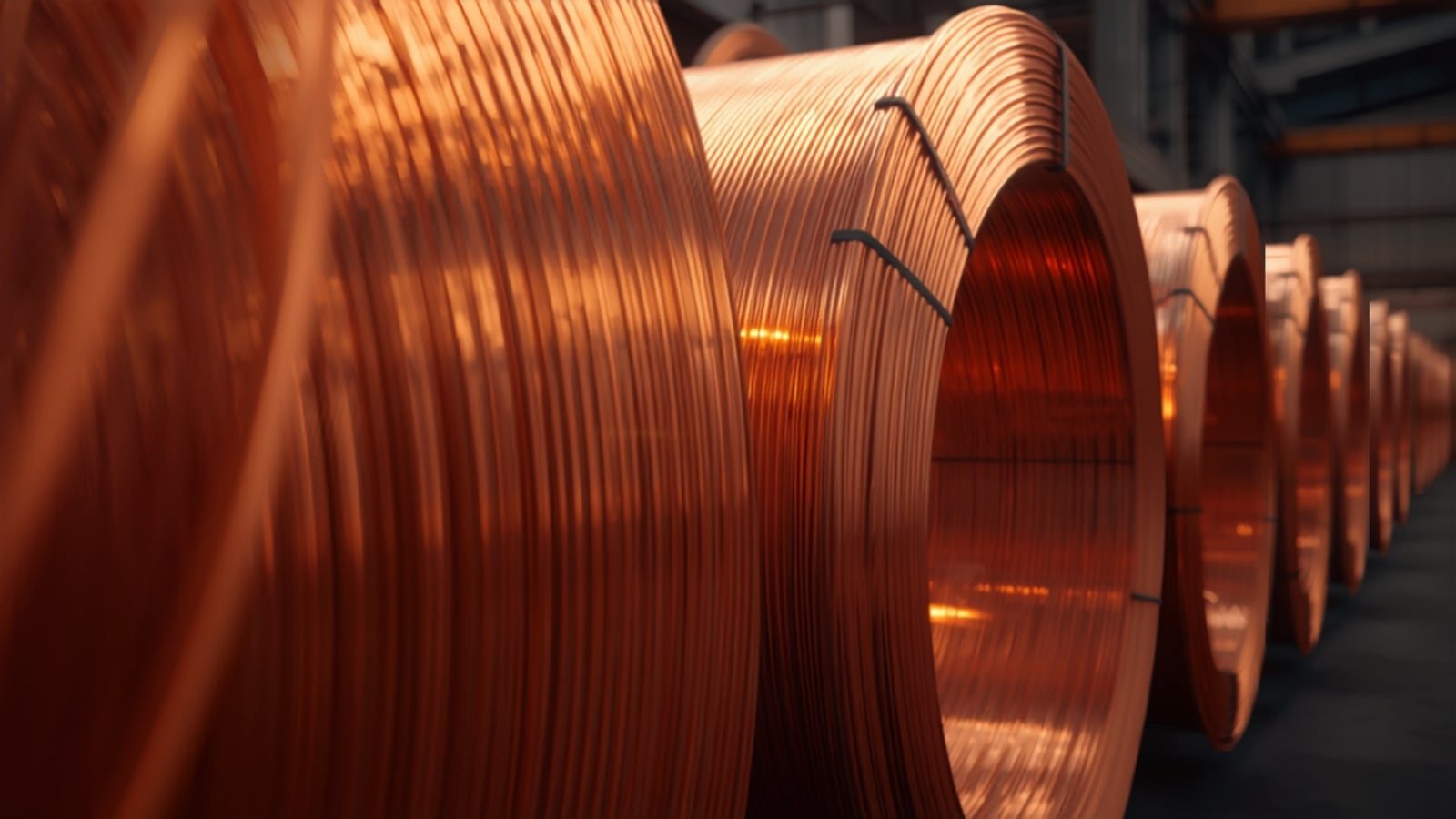
Copper wire rod is a round bar wound into a coil. It is drawn into wire for conductors, winding wires and other electrical products. The quality of the rod decides how smoothly drawing goes and how conductive the finished product will be.
Grade and copper purity
Rod for electrical purposes is made to GOST R 53803-2010; internationally, ASTM B49 and EN 13601 (grade Cu-ETP) are widely used. The key figure is copper content: at least 99.90% for electrical rod. Oxygen content is specified separately because it affects the metal's ductility during drawing.
Diameter and tolerances
The most widely used diameter is 8 mm, the starting point for most copper wire. Larger diameters are chosen when a thicker blank is needed. Besides the nominal size, the diameter tolerance and ovality matter: they decide how stable drawing will be.
Electrical conductivity
Electrical copper has a conductivity of at least 58.0 MS/m at 20 °C, which corresponds to 100% IACS. Check this figure in the lot documents: it sets the losses of the future conductor.
What to ask the manufacturer for
- The grade and the standard the rod is made to
- The chemical composition and conductivity of the lot
- Diameter, tolerances and coil weight
- Packaging and marking
- The list of documents that accompany the delivery
The parameters of a specific lot are fixed in the specification to the supply contract, so the buyer and the manufacturer share the same understanding of what will be shipped.